Awards season · Distribution & Festivals
Ashish Saksena: India’s 2026 theatrical run keeps cinema central
Ashish Saksena says theatrical cinema will endure after a strong 2026 run spanning Dhurandhar: The Revenge, Ramayana, Hanuman Ansh, Spider-Man and The Odyssey.
Production notes
- November 28, 2026: BookMyShow COO-Cinemas Ashish Saksena said, “The theatrical experience is here to stay.”
- Three Indian releases were cited for box-office success: Dhurandhar: The Revenge, Ramayana and Hanuman Ansh.
- Two Hollywood releases were cited for strong audience response: Spider-Man: Brand New Day and The Odyssey.
- The panel was titled “One Film, Multiple Paydays: Extracting a Film’s Full Value.”
- The report places the panel at the 57th International event but omits its full name and location.
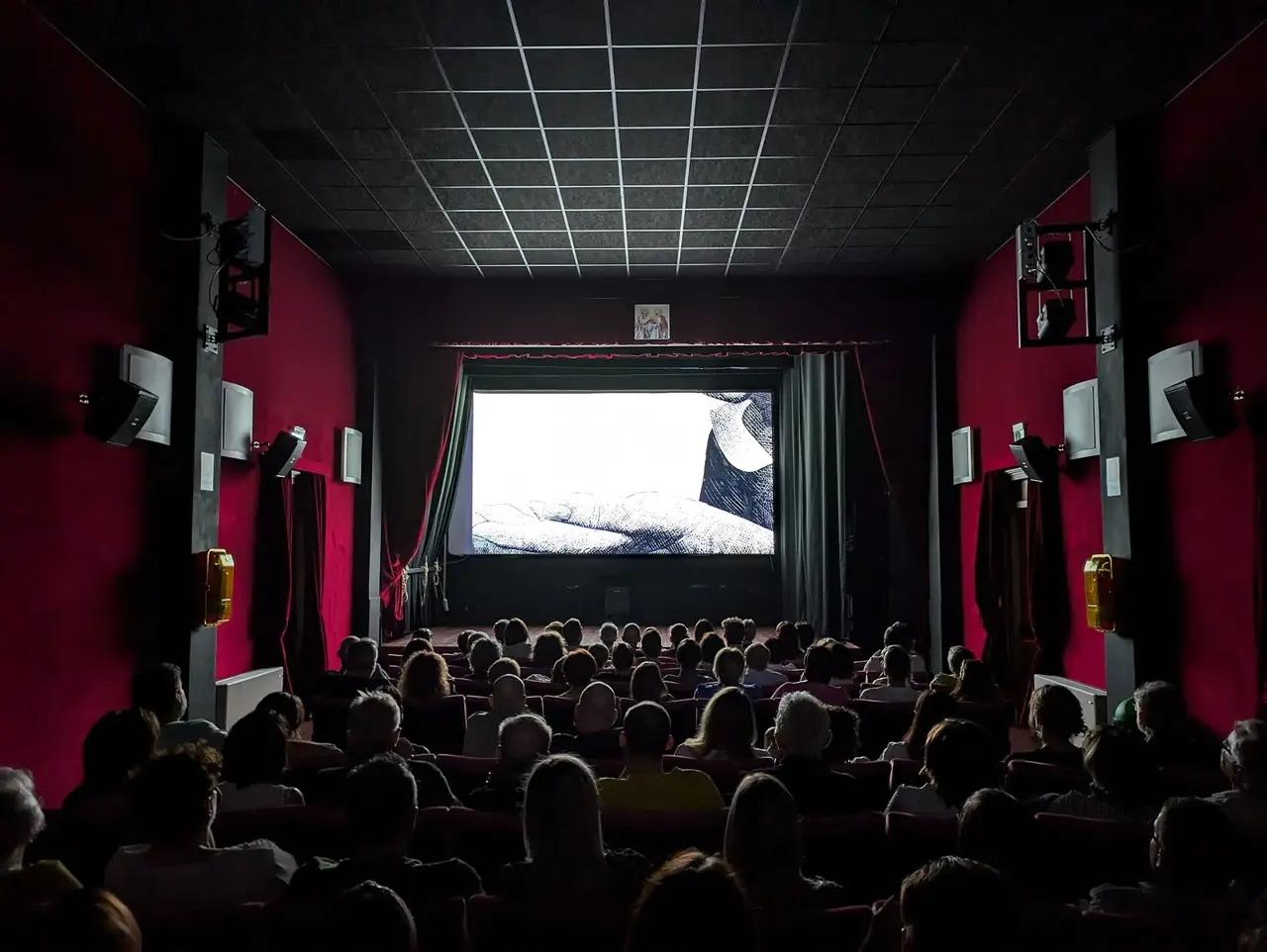
Indian cinema’s theatrical business (cinema exhibition and associated ticket revenue) has run strongly through 2026. The report cites five films: three Indian releases were cited for box-office success, while two Hollywood releases received a strong audience response.
Those titles are Dhurandhar: The Revenge, Ramayana and Hanuman Ansh, plus Spider-Man: Brand New Day and The Odyssey. The report describes turnout across genres, languages and industries, with audiences seeking different kinds of big-screen experiences.
On November 28, 2026, BookMyShow COO-Cinemas Ashish Saksena put forward a clear position: “The theatrical experience is here to stay.” COO-Cinemas means chief operating officer for cinema operations. The report frames the theatrical business as continuing to evolve and links his view to the broad 2026 release run.
He spoke during the panel “One Film, Multiple Paydays: Extracting a Film’s Full Value” at the 57th International event. The supplied text leaves the event’s full name and location incomplete. The panel title provides the most specific commercial framing: one film can create several revenue occasions rather than a single payday.
What does this change for release planning?
The answer is narrower than the panel title may suggest. The report provides no title-level budgets, ticket totals, admissions, screen counts, occupancy rates, release dates, revenue splits or distribution contracts. A producer therefore cannot use this item alone to set a production budget, forecast cinema income or negotiate exhibitor and platform terms.
For working producers and sales teams, the defensible planning response is to keep theatrical distribution in the core release strategy while identifying additional monetization points. The cited mix supports that response: reported demand spans genres, languages and industries, and the slate combines three Indian titles with two Hollywood releases. A strategy built around one audience segment or one content origin would not match the breadth described.
For cinemas, the immediate signal is programming breadth. The report says audiences turned out for different kinds of big-screen experiences and then names five examples. It gives no showtimes, screen allotments, language mix or footfall data, so exhibitors cannot rank the titles or calculate occupancy from this account.
The panel title points to a multi-event revenue plan for each film. That matters during release planning because a title’s economics may depend on more than opening-weekend performance. However, the report does not identify which paydays Saksena discussed or attach revenue shares, minimum guarantees or partner commitments to the idea. The commercial framework remains a thesis, not a deal sheet.
Two data limits remain. “Strong run” carries no percentage, comparison period or admissions figure. The five titles also have no territory, opening date or distributor named in the supplied account. Those omissions prevent a line-by-line comparison of theatrical returns.
For a filmmaker deciding how to allocate release and sales attention, Saksena’s position supports one practical assumption: cinema remains a core audience event, and a film may monetize through several occasions. The source does not provide the figures or contract terms required to price that strategy. Before committing budget, teams still need title-level admissions and revenue data plus actual distribution and exhibitor terms.
via Google News · Film Business (Source)
More from Grace Kim
Show full bio
News editor covering money, funding and market shifts around Filmmaking News is the working trade daily for at Filmmaking News.
194 articles
Further readings
- Avengers: Doomsday passes ₹50 crore in Indian advance salesNovember 25, 2026
- Ramayana: Part 1 Makes Oscars VFX Shortlist for 99th Academy AwardsNovember 25, 2026
- India Tracks Highest Box Office Since Pandemic, Zee Studios' Johar SaysNovember 24, 2026
- Ramayana Part One Enters Oscar VFX Longlist Against Dune 3 and Avengers: DoomsdayNovember 25, 2026
- NRG Tracks 'Avengers: Doomsday' at $270M Domestic OpeningNovember 25, 2026