Awards season · Distribution & Festivals
Inherited premieres at Cairo as a death sentence hinges on pregnancy
Morteza Alizadeh’s Inherited debuts at Cairo after years of prison research, while Mark Ruffalo and Tilda Swinton backed concerns over Jafar Panahi’s reported sentence.
Production notes
- Inherited had its world premiere at the Cairo Film Festival.
- Mina Sadati plays Mina, a prisoner sentenced to death for murder who becomes pregnant to postpone execution.
- Alizadeh spent years researching the subject and months interviewing imprisoned women.
- Jafar Panahi reportedly received five years and one month in prison from the Tehran Revolutionary Court.
- Reported sanctions against Panahi include asset confiscation, frozen bank accounts, a two-year travel ban and a two-year social media ban.
Jafar Panahi faces a reported prison sentence of five years and one month, while Morteza Alizadeh’s Inherited makes its world premiere (first festival screening) at the Cairo Film Festival.
The two developments frame a constrained production environment rather than a conventional festival roundup. Iranian authorities also reportedly froze Panahi’s bank accounts, confiscated his assets, imposed a two-year travel ban and blocked his social media use for two years.
Mark Ruffalo and Tilda Swinton signed a statement shared with Variety stating that they were “deeply concerned” about the reported sanctions against Panahi. The Tehran Revolutionary Court reportedly issued the prison term.
What does the Cairo premiere mean for distribution?
The premiere establishes Cairo as the film’s first public festival launch. The announcement includes no budget, sales agent, acquisition offer, rights terms or release schedule, leaving valuation and delivery benchmarks unresolved.
Inherited follows Mina, played by Mina Sadati, a woman sentenced to death for murder as her execution date approaches. Pregnancy offers her only route to postpone the sentence, forcing the story to test the legal, moral and family costs of that choice.
A few years ago, Alizadeh encountered a photograph of mothers and children inside a women’s prison. The image prompted years of research into how often Iranian women become pregnant while awaiting execution, a subject he described as little discussed.
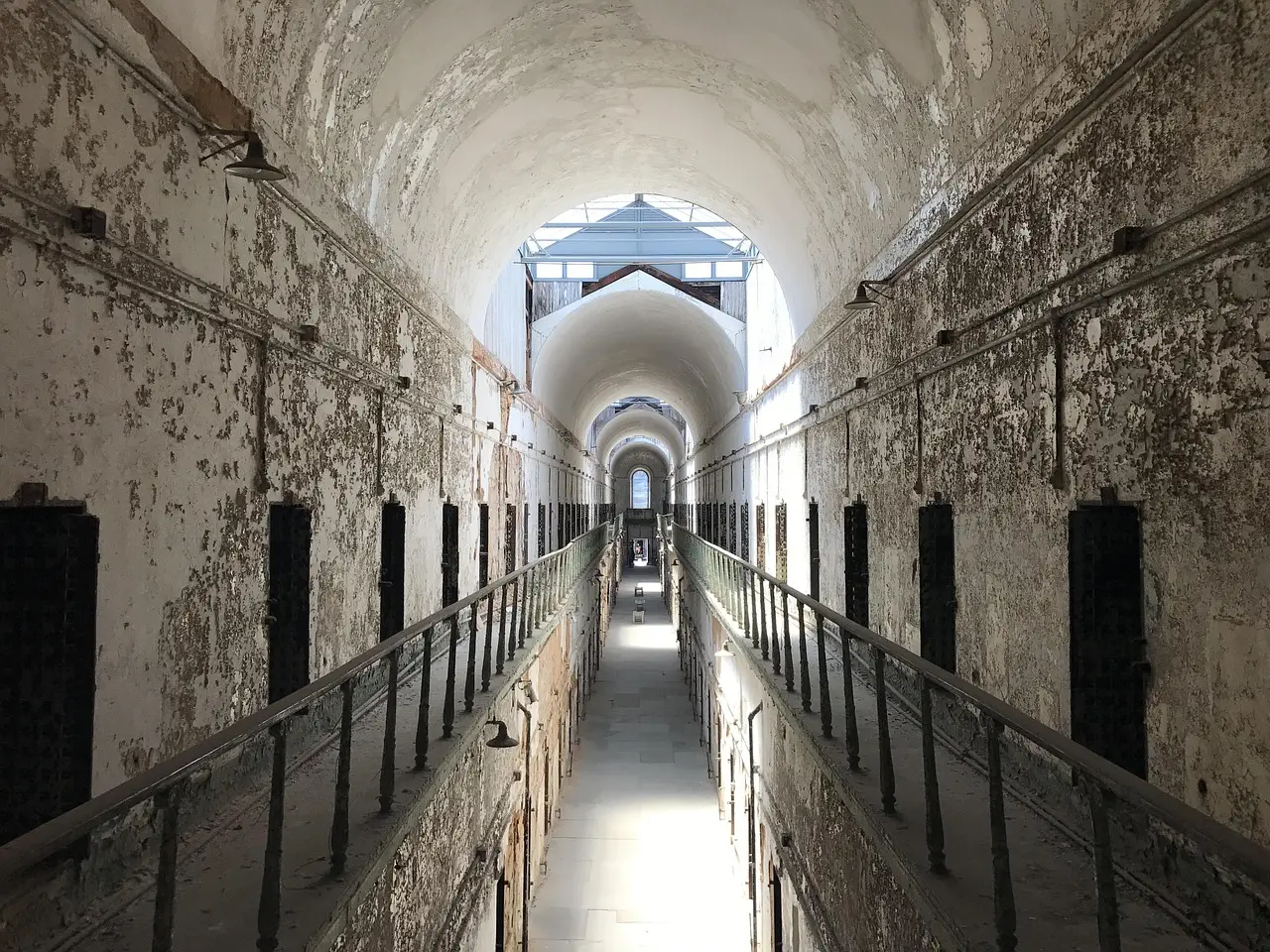
He assembled an archive of prison images, including rare documentaries and footage from hacked surveillance cameras. For months, he interviewed women who had either received a temporary release from prison or been granted leave. Their accounts helped the team design the prison environment in detail. The production design team then recreated the entire prison set from those references as closely as possible.
Alizadeh says his goal was to portray people in difficult and sensitive situations who must make choices to survive. He adds that those choices affect not only the characters’ own lives but also the people around them.
The story’s moral pressure comes from Mina’s family asking the unmarried prisoner to terminate the pregnancy to preserve family honor. Alizadeh wants viewers to examine what authority one person holds over another’s fate, asking: “What gives us the authority to decide whether to take someone’s life or give another person the chance to live?”
He wants audiences to examine the circumstances and structures behind those choices rather than pass judgment on the characters. The film offers no easy moral resolution.
Alizadeh places that moral design within a long Iranian tradition represented by Jafar Panahi, Asghar Farhadi and Abbas Kiarostami. He locates its roots in Iranian society and its social and cultural conditions.
He describes a deep connection between Inherited and his countrymen’s work, grounded in a shared reality. Experiences, contradictions and complexities within that society enter films, consciously or unconsciously.
Alizadeh describes his home country’s situation as increasingly complex. He links severe economic hardship to broader instability. He says the hardship has made daily survival nearly impossible for most people.
That instability includes two wars in less than a year, people’s resistance to those attacks and public protests between the wars. In his assessment, those conditions make it harder for artists to understand and respond to the social conditions around them.
His assessment of Iranian cinema is equally direct. Filmmakers face two obstacles: the internal relationship between filmmakers and society, and external pressure, particularly censorship. They must redefine how cinema responds to those conditions.
Alizadeh says those constraints slow the emergence of new talent. He argues that courage, personal voice and style offer the most constructive route for new filmmakers to create opportunities and move Iranian cinema forward.
via docs.google.com (Original)
More from Grace Kim
Show full bio
News editor covering money, funding and market shifts around Filmmaking News is the working trade daily for at Filmmaking News.
179 articles
Further readings
- Paname Distribution acquires France rights to 'Cairo Shadows' pre-MarrakechNovember 22, 2026
- Sydney Film Festival Backs Jafar Panahi After Five-Year SentenceNovember 20, 2026
- Cannes backs Panahi after Tehran sentences him to 5 years, 1 monthNovember 20, 2026
- Cairo Film Festival Posts Record Attendance as Lineup Row Rekindles Censorship DebateNovember 26, 2026
- Cairo Short Film Festival to Honor Omar Khairat and Kamla Abu ZekryNovember 23, 2026