Awards season · Directing & Cinematography
Kartik Vijay Becomes First Indian to Win Golden Horse Cinematography Prize
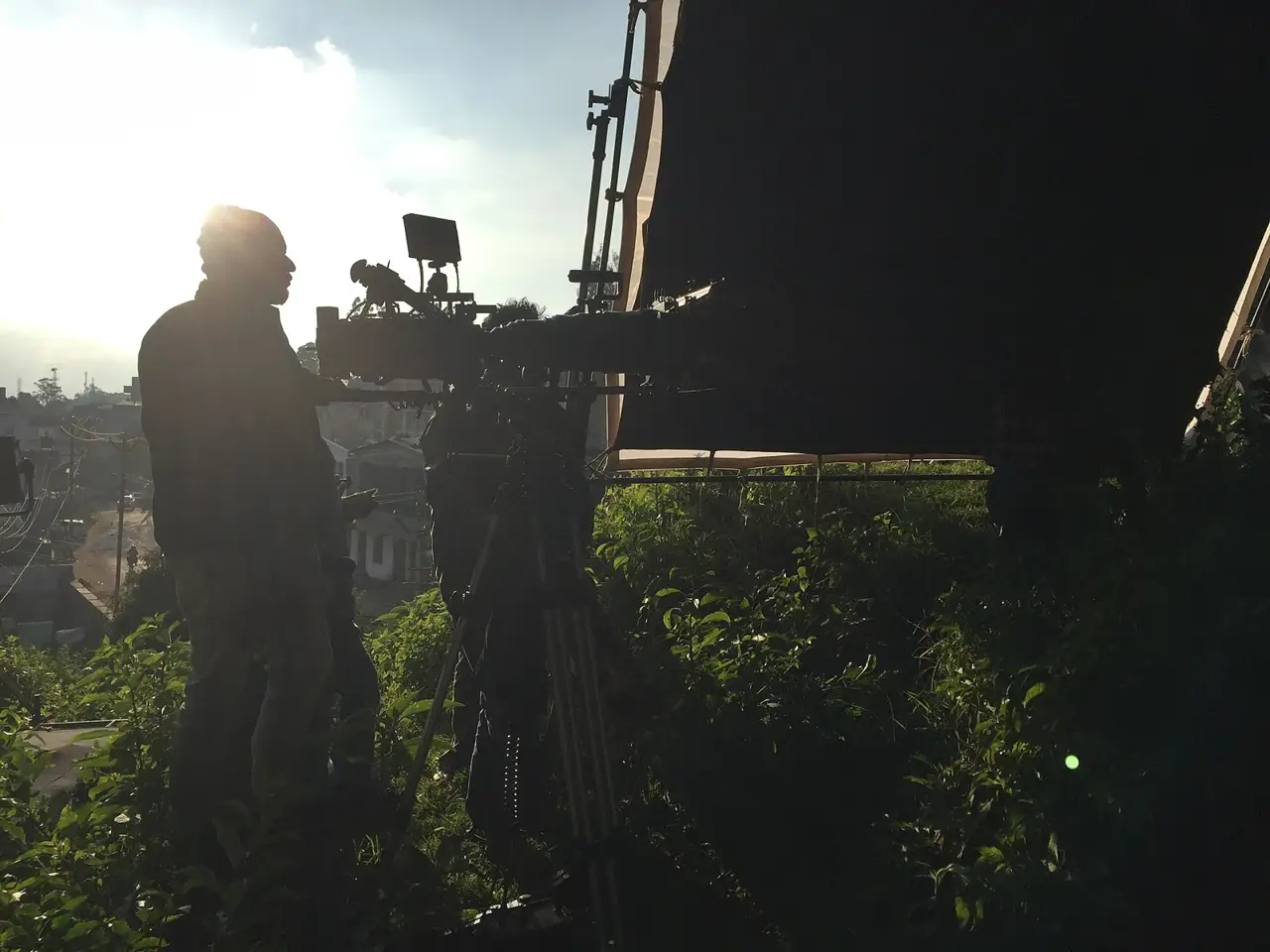
Kartik Vijay won Best Cinematography at the 63rd Golden Horse Awards for 'Dead Tide', the first Indian to do so — on his fifth nomination, eight years after pivoting to Malaysian and Taiwanese film.
Production notes
- Kartik Vijay won Best Cinematography at the 63rd Golden Horse Awards in Taipei on Sunday for Dead Tide (2025).
- He is the first Indian cinematographer to receive the Golden Horse award, on his fifth nomination.
- His credits include Taxi No. 9211 (2006), Manto (2018), Do Aur Do Pyaar (2024) and The Garden of Evening Mists (2019).
- He moved into Eastern cinema about eight years ago via commercials shot in Thailand and Malaysia.
Kartik Vijay took Best Cinematography at the 63rd Golden Horse Awards in Taipei on Sunday, for the Malaysian feature Dead Tide (2025) — the first Indian cinematographer ever to win the prize. It was his fifth nomination. Four went nowhere; this one landed.
Vijay's credits span two industries. He broke in with Taxi No. 9211 (2006), shot Manto (2018), and last photographed a Hindi release on Do Aur Do Pyaar (2024). Roughly eight years ago he began working in Eastern cinema, and the region has since delivered most of his career momentum.
He isn't pretending the win felt routine. "No matter how many times you get nominated, you feel nervous each time," he told Hindustan Times. "This time, everyone was saying I will win, so it added to the nervousness, but I am glad. It feels amazing as I met so many of my icons there and when they appreciate your work, it feels like a pat on the back."
How did an Indian DP land in Malaysian film?
Through commercials, mostly. Vijay was shooting ad work that took him to Thailand and Malaysia, where a Malaysian-Indian production house owner became a close friend. In 2018 that friend was producing one of Malaysia's biggest films at the time, The Garden of Evening Mists (2019), and offered him the job.
"What matters to me is a good script, and I let the director's vision drive my process," Vijay said. "I liked the script and I did it."
That single credit did the marketing for him. The cast and crew passed his name to other makers, and the calls kept coming. He followed with the Taiwanese films The Soul (2021) and Yen and Ai-Lee (2024), plus the Malaysian Abang Adik (2023). "It was like a domino effect," he said.
He credits the run not to strategy but to the working culture he found there — he says he's impressed by the passion people in Eastern cinema bring to the floor.
What does this change for him — and for Bollywood?
Vijay says he didn't clock the historical marker in the moment. "I actually didn't realise at that point that I am the first Indian to win the award. It hit me after a while and made me feel so proud," he said.
On the Mumbai question, he's firm on one correction: he never left. "I do miss it at times. But many people think I have moved out of India, and I keep telling them I haven't," he said. "What I seek is a good story, and I go wherever it takes me."
So the practical answer is: nothing closes. A Golden Horse statuette raises his price and profile across the Mandarin- and Malay-language markets where he now books regularly, and Hindi producers still have a DP who says he'll take the call — provided the script clears his bar. Five nominations to one win; the odds finally paid.
via Google News · Cinematography (Source)
More from Amara Osei
Show full bio
Senior reporter covering companies, deals and strategy in Filmmaking News is the working trade daily for at Filmmaking News.
198 articles
Further readings
- Kartik Vijay Takes Best Cinematography at 63rd Golden Horse AwardsNovember 23, 2026
- Arvind S. Kashyap Takes Best Cinematographer at DPIFF Awards 2026November 22, 2026
- DNEG Artist Claims Four Years Without a Raise, Then LayoffNovember 24, 2026
- 'Maharaja' Draws Hollywood Remake Approach After $9.6M China RunNovember 25, 2026
- Ramayana Part 2 reveals Hanuman sequences after ₹1,437 crore runNovember 20, 2026