Awards season · Directing & Cinematography
'La Bola Negra' Gets Netflix's Longest Theatrical Run, Shot on 35mm
Cinematographer Gris Jordana shot Spain's Oscar entry La Bola Negra on 35mm after a 23-week 16mm series, and Netflix gave it its longest theatrical run ever.
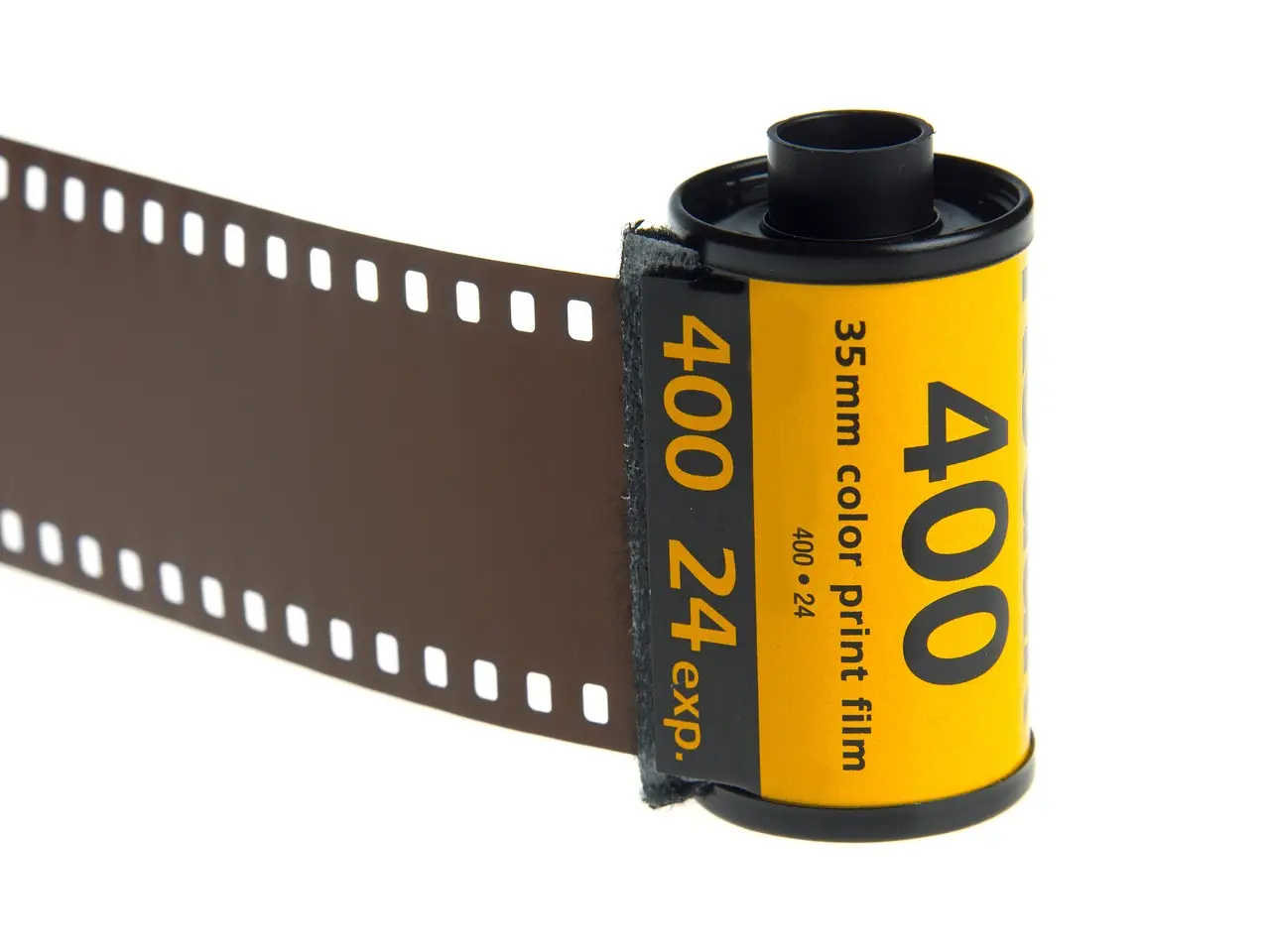
Production notes
- La Bola Negra has the longest theatrical runway of any title in Netflix's history.
- Spain submitted the film as its Oscar entry for Best International Feature; the shortlist is due December 15.
- Cinematographer Gris Jordana previously shot the series La Mesías on 16mm over 23 weeks.
- Los Javis shared Best Director at Cannes and won the Toronto People's Choice Award.
- The film streams on Netflix from December 2 following a limited theatrical release.
No title in Netflix's history has received a longer theatrical runway than La Bola Negra. The decision matters to anyone tracking the streamer's distribution strategy, because it backs a nearly three-hour, nonlinear drama shot entirely on 35mm film.
Cinematographer Gris Jordana shot the feature for directors Javier Calvo and Javier Ambrossi, the pair known as Los Javis. The film runs three storylines from the present day back to the Spanish Civil War, stars Penélope Cruz and Glenn Close, and draws on an unfinished work by Federico García Lorca. Spain has submitted it as its Oscar entry for Best International Feature.
What did the format demand?
Jordana arrived at 35mm with direct preparation. She shot La Mesías, the previous Los Javis television series, on 16 millimeter across 23 weeks of production. "That was 23 weeks of shooting. So, at the end of it, it felt like I've shot seven films. It's seven episodes, so seven films," she said. La Bola Negra is the Academy Award contender's first feature shot on film in 35 years, according to the interview.
Her film-school years shaped the instinct. "When I was studying, digital cameras were not developed enough in Spain. They arrived later than in the States, of course," she said. She spent four years of study shooting film, then film disappeared from her working life until La Mesías.
The discipline of the format now shapes her whole approach. "I've been fighting with the format when shooting digital for 20 years, trying it to be softer and to use vintage lenses," she said. "With the film, it's like you go back to the beginning where you just need to find a good light direction, and just believe in that direction... and then you don't need to fight the format. The format gives you all the time. It's such a pleasure."
What does the projection look like?
Jordana saw a 35mm projection for the first time in almost 15 years and noted the texture immediately. "It's very flickery and not as sharp as we are used to anymore. So, the first five minutes were like, 'Oh, wow.' And then we dive into it and we were very happy to see it that way," she said. The flicker suits a story about memory and stories within stories.
Her ambition for the image extends beyond the screen. "We tried it to be a very audiovisual film. You can experience that the best, of course, in a theater," she said.
Where does the awards race stand?
The film arrives with credentials. Los Javis shared the Best Director prize at Cannes. Toronto audiences gave it the People's Choice Award, an honor that frequently forecasts Oscar contenders. The Best International Feature shortlist is due December 15.
When can audiences see it?
La Bola Negra is playing now in limited theatrical release. It becomes available to stream on Netflix on December 2. A full interview with Jordana is forthcoming.
via Google News · Cinematography (Source)
More from Rebecca Stone
Show full bio
Staff writer covering people, launches and day-to-day practice in Filmmaking News is the working trade daily for at Filmmaking News.
181 articles
Further readings
- Łukasz Żal, Frank van den Eeden and Gris Jordana Vie for European CinematographerNovember 20, 2026
- Łukasz Żal PSC Shot 'Fatherland' on Alexa 35 With Zeiss German GlassNovember 20, 2026
- Spain pitches incentives and 500M-strong market to IndiaNovember 23, 2026
- Ramayana Reaches 2027 Oscars VFX Longlist With Dune 3November 25, 2026
- 'The Odyssey' Sweeps 11 Critics Choice Artisan Shortlist SlotsNovember 23, 2026