Awards season · Post-Production & VFX
Real Train, Real Car, Invisible VFX: 'Disclosure Day' Breaks Down Its Stunt
VFX supervisor Matthew Butler says Spielberg's 'Disclosure Day' train crash used a real train dragging a real car — with visual effects reserved only for what was too dangerous to shoot.
Production notes
- 'Disclosure Day' train-crash sequence used a real train dragging a real car on a real track, per VFX supervisor Matthew Butler
- Butler spoke at IndieWire's recent Craft Roundtables about combining practical stunts with blue-screen VFX
- VFX handled only elements 'too dangerous' to film practically; Butler declined to call it a VFX sequence
- Stars Josh O'Connor and Emily Blunt performed in the live-action blue-screen portions of the scene
- Spielberg is six decades into his directing career and still prioritizes practical photography
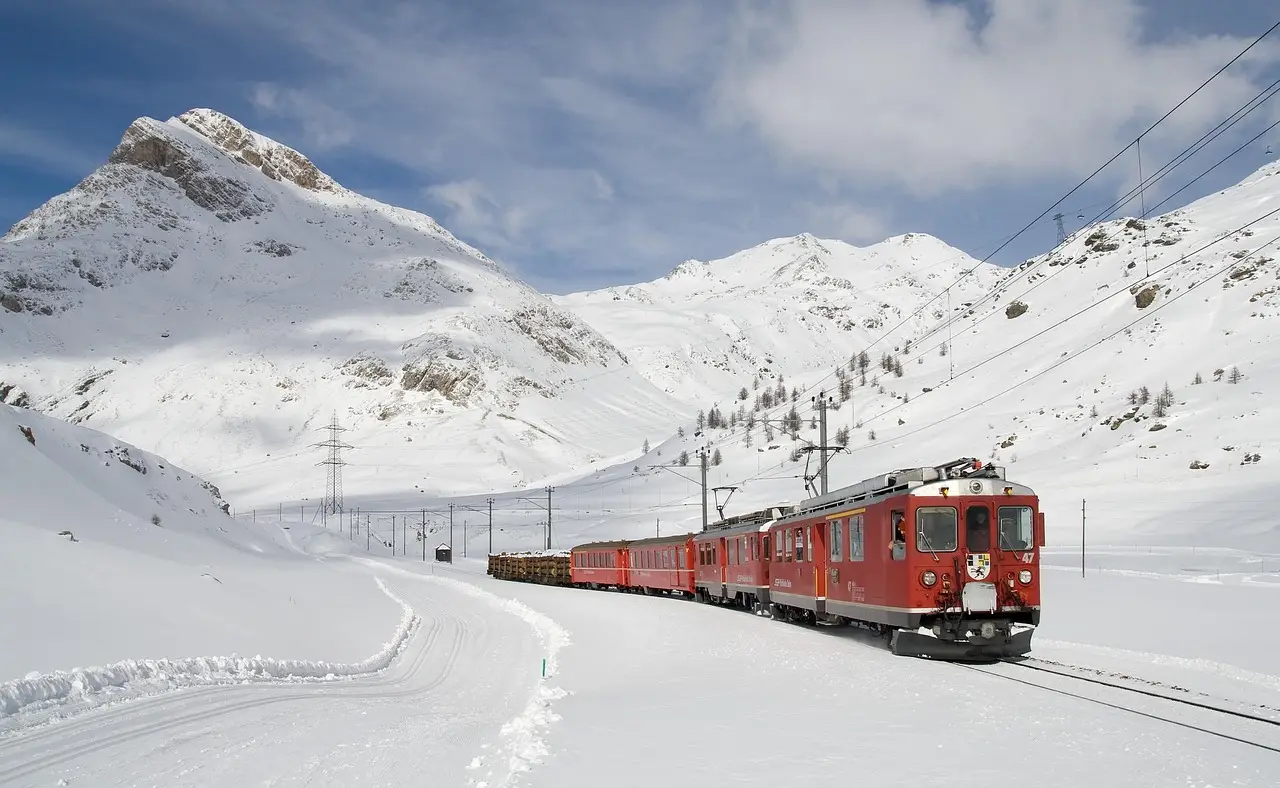
A real train dragged a real car down a real track for the signature crash sequence in Steven Spielberg's "Disclosure Day" — and the visual effects team's job, according to VFX supervisor Matthew Butler, was to stay out of the way.
Butler laid out the approach during IndieWire's recent Craft Roundtables, where he walked through the film's most talked-about set piece: a train colliding with a car carrying stars Josh O'Connor and Emily Blunt. The sequence stressed every department on the call sheet, from camera and production design to post. Six decades into his career, Spielberg still builds his spectacle in camera first, and his crew plans around that preference.
"With Steven, he wants everything to be as practical as it can be," Butler said. "We had a real train. A real train, a real car attached to that train, it was being dragged on a real track. That actually did happen."
Read that quote twice, because the emphasis is doing the work. On a production of this scale, the VFX supervisor's opening move is confirming what physically occurred on set — not claiming the shot for his department.
Where does VFX actually enter the pipeline?
Butler pushed back on the practical-versus-digital framing that dominates most blockbuster coverage. Big sequences, he argued, rarely split into a binary. The train crash layered three strands into one cut:
- Live-action blue-screen work with the lead actors — O'Connor and Blunt performing in the moment, shot against plates that post could rebuild around them.
- Practical stunt work that sells the impact. In Butler's words: "your stunt work where it's like 'Oh my God, that looks really real."
- Effects for what nobody can safely film. "The stuff that you just can't do that's just too dangerous … that's where visual effects came in," he said.
Notice the distinction he draws at the end. "But I wouldn't say it was a visual effects sequence," Butler cautioned. "It was a sequence that contained all of those, and it came together in the right way."
That's a credit-claiming line worth parsing. In an era when VFX houses fight for on-screen attribution and sequences get tagged as "the VFX shot," Butler is deliberately narrowing his department's footprint on a marquee set piece. The invisible work — extending practical plates, stitching blue-screen performances into real stunt coverage, covering the beats too dangerous to stage — doesn't announce itself. The measure of success here is that the audience can't tell where the track ends and the composite begins.
What does this change for working crews?
For departments planning a Spielberg-scale practical hybrid, the takeaway is sequencing, not substitution. Camera, stunts, production design and VFX have to build the same shot simultaneously, because the blue-screen element only works if the physical elements around it carry the weight of realism. Butler's account confirms the pipeline runs both directions: VFX doesn't clean up after the practical unit — it designs shots around what the practical unit can safely capture.
What the roundtable didn't cover: shot counts, vendor breakdowns, budgets or the specific tools behind the composites. Whether that detail surfaces in further installments remains open — IndieWire says more Craft Roundtables coverage arrives over the coming weeks.
Spielberg has spent sixty-plus years making spectacle the old way. "Disclosure Day" suggests the method survives the modern pipeline — you just need a train.
via pmc.com (Original)
More from Amara Osei
Show full bio
Senior reporter covering companies, deals and strategy in Filmmaking News is the working trade daily for at Filmmaking News.
196 articles
Further readings
- Union VFX Delivers Invisible Effects for McDonagh's Wild Horse NineNovember 27, 2026
- 'Backrooms' Built 100,000 Sq Ft of Digital Sets in Blender on Under $10MNovember 22, 2026
- 'Backrooms' Built Its $400M Hit on 30,000 Square Feet of Practical SetsNovember 25, 2026
- How One Pen-Drop Insert Landed Jeff Cronenweth 'Fight Club'November 24, 2026
- 'Backrooms' VFX Team Built Kane Parsons a Server Login So He Could Tweak Shots HimselfNovember 20, 2026