Awards season · Indie Filmmaking
Travis Knight and Leah Nelson on Directing Animation Voice Actors
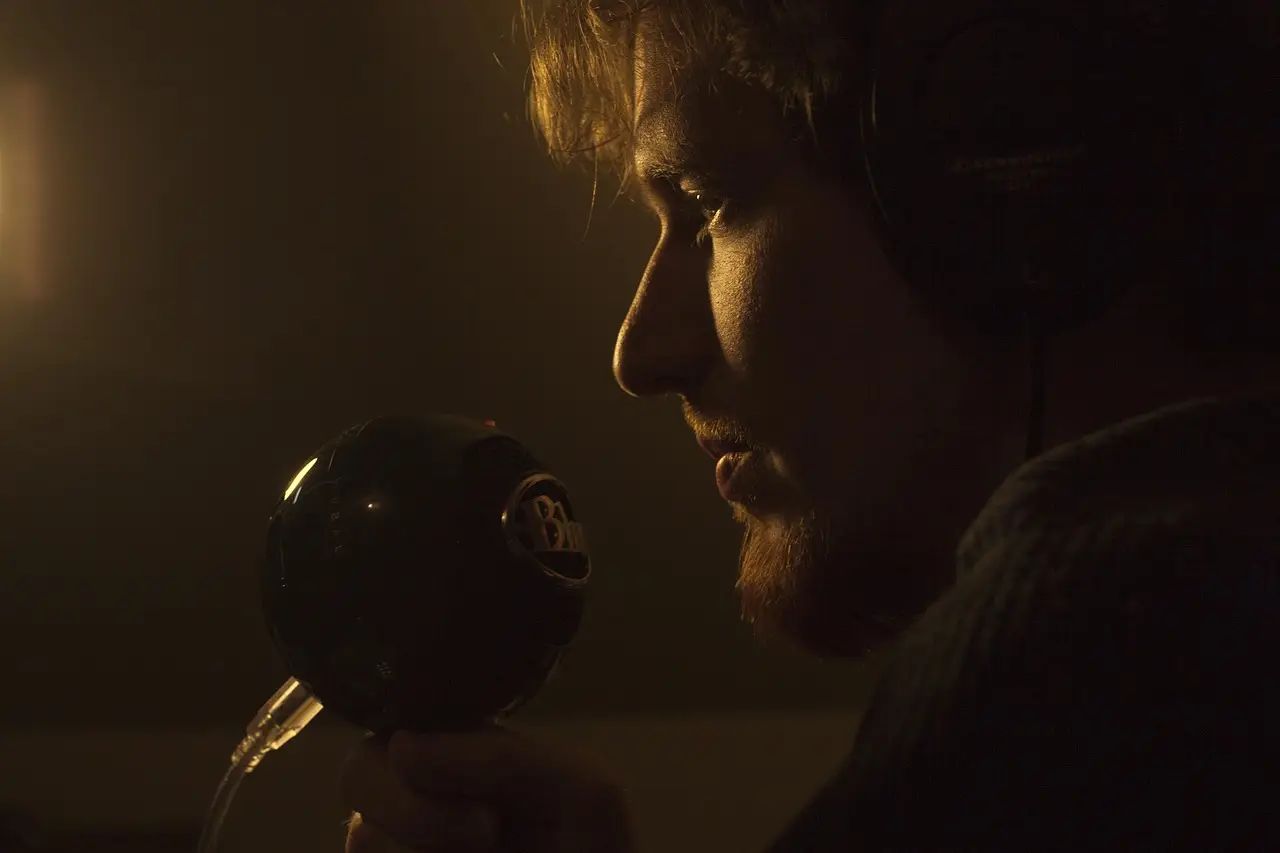
"Wildwood" director Travis Knight chased his newborn with an iPhone for Baby Mac; "Tangles" director Leah Nelson locked Jacobson, Louis-Dreyfus and Cranston in one booth. Two paths to naturalistic animation voice work.
Production notes
- "Wildwood," directed by Travis Knight, is now in theaters; "Tangles," directed by Leah Nelson, opens January 15, 2027.
- Knight records each voice scene 30, 40 or 50 different ways as raw material for animators.
- Nelson recorded Abbi Jacobson, Julia Louis-Dreyfus and Bryan Cranston together, accepting mic bleed for naturalism.
- Knight cast his newborn son as Baby Mac, recording babbling on an iPhone and a digital recorder at home.
Travis Knight recorded a newborn's babbling on his iPhone to voice Baby Mac in "Wildwood," now in theaters. Leah Nelson put Abbi Jacobson, Julia Louis-Dreyfus and Bryan Cranston in one room for "Tangles," which opens January 15, 2027. Two opposite recording philosophies, one shared goal: vocal performances that feel alive before an animator touches a frame.
Knight directed much of his "Wildwood" cast over lockdown Zooms and hodge-podge home setups. Actors in that environment lack everything a live-action set supplies — costumes, immersion, another performer across the room. They build it from scratch, and the director has to supply the foundation.
How does casting work when the voice is only part of the instrument?
"An actor can bring so much to performance before they even utter a word," Knight told IndieWire on the FilmmakerToolkit podcast. "Sometimes the things we love about actors are not their voice; it's everything else."
His team takes clips from actors' other films and interviews and cuts them against a character design. The test is revelatory, he believes: it shows whether a performer will work in the role before anyone books a booth. It also sorts the ensemble by aural frequency and accent, so that Carey Mulligan's sinister Alexandra and Angela Bassett's regal General never blur together.
Why 50 takes of one scene?
Once cast, each actor records a scene 30, 40, 50 different ways. "It takes forever," Knight said. The permutations become raw material for animators, who then match the physical performance to the vocal one. Done properly, he said, it feels like the characters live in the same scene at the same time.
The director holds the assembly in his head. "An animator is an actor, but they're just acting through their hands and through a puppet, and it's two actors collaborating to create a complete performance," Knight said. "Oftentimes it happens across space, across time."
What happens when the whole cast shares one booth?
Nelson took the opposite route on "Tangles," an earnest family drama. She gathered her three leads together and accepted a bit of mic bleed as the cost of genuine interplay.
"It wasn't that hard. It took a little bit of scheduling Tetris to get it done, but it was so worthwhile," Nelson told IndieWire. Jacobson does extensive voice work, often alone, without even a reader to play against. Nelson wanted naturalistic dialogue instead.
The film's sound design backs that ambition: bespoke foley and overlapping banter that conveys the chaos of family rather than clean comprehension. Nelson gave the actors time to improvise and play off each other. For the intimate, difficult scenes, she said, "they could look in each other's eyes and work through those moments."
The play-rehearsal approach carries a cost — ruined takes. "We spent a lot of time at the table trying to hold [our reactions] in or like, 'Don't sneeze! Nobody move!'" Nelson joked. She still preferred it to heavy dialogue editing, and the team worked to keep the suturing inaudible.
Can an iPhone replace a studio?
Knight's son was a newborn while the "Wildwood" team laid down track, making him the natural fit for kidnapped Baby Mac. "I essentially chased him around the house with a digital recorder. Sometimes with my iPhone," Knight said. Babies babble constantly while making sense of the world, and that babbling survives in the finished film.
The lesson for working directors: naturalism has no single workflow. You can reach it through grounded ensemble collaboration, through an actor in complete isolation, or through hitting record during a diaper change. The constant is intention — a director deciding what the voice must give the animators, then getting it on tape.
via pmc.com (Original)
More from Elena Vasquez
Show full bio
Correspondent covering regulation, policy and their impact on Filmmaking News is the working trade daily for at Filmmaking News.
44 articles
Further readings
- 'Backrooms' VFX Team Built Kane Parsons a Server Login So He Could Tweak Shots HimselfNovember 20, 2026
- Julius Onah's Basquiat Biopic 'Samo Lives' Targets 2027 Sundance PremieresNovember 20, 2026
- The Man Who Ran Up Rocky's Steps: Garrett Brown's Steadicam StoryNovember 20, 2026
- ‘Club Kid’ timed a two-camera piano shot to the exact sunsetNovember 20, 2026
- Three Cinematographers Take On Backstage: 35mm, Hard Light and the National TheatreNovember 20, 2026