Awards season · Post-Production & VFX
Graham Page Details the 'Sheep-isms' Behind The Sheep Detectives
VFX supervisor Graham Page says real sheep, multi-camera reference footage and pre-animation anatomy modeling built the lifelike flock in Amazon MGM's The Sheep Detectives.
Production notes
- Graham Page, VFX supervisor on Amazon MGM's The Sheep Detectives, broke down the sheep pipeline in the VFX section of IndieWire's Craft Roundtables.
- The crew filmed real sheep with multiple cameras, including low 'box' camera positions, before animation work started.
- One artist modeled each character's skeleton, muscle and fat before animators began; a rigger and a facial artist followed.
- The team named its animal-specific gestures 'Sheep-isms,' including an ear twitch a human cannot perform.
- Directed by Kyle Balda, the film is a barnyard murder mystery in which sheep investigate their shepherd's death.
The talking sheep in Amazon MGM's The Sheep Detectives move like animals, not people in costume. VFX supervisor Graham Page set that rule on Day One of the production, before any animator touched a file, and he walked through it in the VFX section of IndieWire's Craft Roundtables.
The film, directed by Kyle Balda, inverts the whodunnit formula: a flock of sheep investigates the murder of their beloved shepherd. Talking animals solving a murder usually reads as a gag. Page's stated aim was the opposite. The sheep might talk and solve crimes, they look like real animals you'd find on any farm.
What did the real sheep reference footage include?
Page described a live-animal reference shoot (filming real animals so animators can copy their motion) carried out before the animation work started.
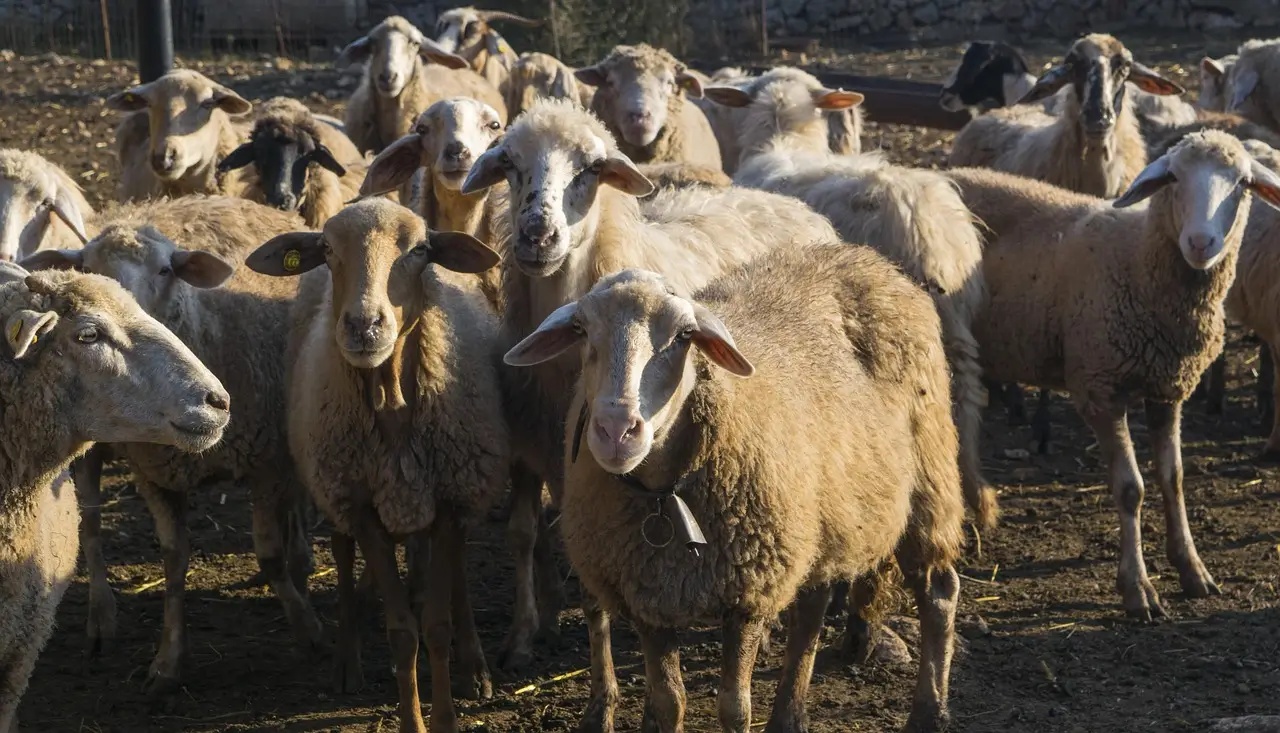
"To make them look real, talking about practical and how important that is, I from Day One felt like you had to base these characters on real sheep," Page said. "We filmed [real sheep] with multiple cameras and getting on boxes. We had a script, almost, like 'These are the things the sheep need to do in the film.'"
Multiple cameras and low positions — 'getting on boxes,' in Page's words — gave the animators motion reference from more than one angle and more than one height. The near-script mattered as much as the footage: the crew needed a written list of what each animal had to do on screen before anyone could decide which moments to study.
Then came the passes Page's team ordered by discipline:
- Anatomy modeling: one artist modeled the skeleton, muscle and fat of each character before animation began.
- Rigging: a rigger (the artist who binds the digital skeleton to the skin mesh so it can be posed) followed.
- Facial work: a facial artist handled the face and its expressions.
- Animation: animators started only after those steps.
"Even before an animator can touch it, another artist modeled the skeleton and the muscle and fat," Page said. "And then you have a rigger and a facial artist, all of these artists."
What are 'Sheep-isms'?
The reference footage produced small, repeatable gestures that the team wrote into the characters. "We started to come up with what we would call 'Sheep-isms' that help kind of bring some of that natural movement," he said. "There's a little ear twitch."
"And a human can't twitch their ear, but it felt so right. We were like 'This is really nice,' and it emphasized the character and the story and the emotion. But it was brought out of a sheep."
That closing clause is the whole method. A human performance would have failed on the ear twitch. An animator improvising from memory would have invented it. It came from watching an animal.
Why chase realism in a barnyard whodunnit?
Read Page's order as a schedule and budgeting lesson: reference shoot first, anatomy model second, rig third, animation last. On any production chasing the same effect, the live-animal shoot and the modeling passes bill out before a single finished frame exists. The payoff is behavior no generic gesture library would have supplied.
The appeal of The Sheep Detectives rests on the gap between a whimsical plot and a realistic execution. The sheep talk, and they investigate a murder, but they carry themselves like the animals you'd meet on any farm. Balda's whodunnit works if the audience accepts the flock as characters first, the murder mystery second.
IndieWire's Craft Roundtables continues with additional VFX breakdowns available on the site, including Page's segment on the modeling and performance side of the production.
via Google News · VFX & Virtual Production (Source)
More from Sophie Lindqvist
Show full bio
Market editor covering regulation, policy and their impact on Filmmaking News is the working trade daily for at Filmmaking News.
191 articles
Further readings
- Graham Page Reveals the ‘Sheep-isms’ Behind The Sheep DetectivesNovember 26, 2026
- Aardman Built 11 Beast Puppets and Half a Ship for 'Beast of Mossy Bottom'November 24, 2026
- Donated Bones, Hand-Painted Hats and Loaned Sony Kit Power WA Horror-WesternNovember 25, 2026
- Travis Knight and Leah Nelson on Directing Animation Voice ActorsNovember 20, 2026
- VFX Studios Break Down the Backrooms: 600 Shots, Three ReelsNovember 22, 2026