Awards season · Post-Production & VFX
Graham Page Reveals the ‘Sheep-isms’ Behind The Sheep Detectives
Graham Page details the anatomy-first VFX pipeline behind The Sheep Detectives, from multi-camera sheep references to an ear twitch that sharpened character and emotion.
Production notes
- One sheep-specific ear twitch anchors the film’s character and emotional performance.
- The reference-to-performance workflow covered five concrete actions.
- The team filmed real sheep with multiple cameras and got onto boxes before animation.
- Another artist modeled the skeleton, muscle and fat before animators touched the characters.
- Visual Effects Supervisor Graham Page presented the process at IndieWire’s Craft Roundtables.
One gesture anchors the visual-effects strategy in Amazon MGM’s The Sheep Detectives: a sheep’s ear twitch gives the performance character, story and emotional weight without borrowing a human motion. The detail gave the team a visible performance target rather than a general request for realism.
Amazon MGM’s film, directed by Kyle Balda, reverses the murder-mystery formula with a barnyard case. A group of talking sheep investigates the murder of their beloved shepherd.
The premise invites whimsy, but Page said the team pursued realism throughout, making its sheep resemble animals found on any farm. That contrast set the effects brief: talking sheep still had to move like farm animals.
Visual Effects Supervisor Graham Page presented the approach during IndieWire’s recent Craft Roundtables. He explained how research, anatomy and species-specific motion shaped the characters.
“To make them look real, talking about practical and how important that is, I from Day One felt like you had to base these characters on real sheep,” Page said.
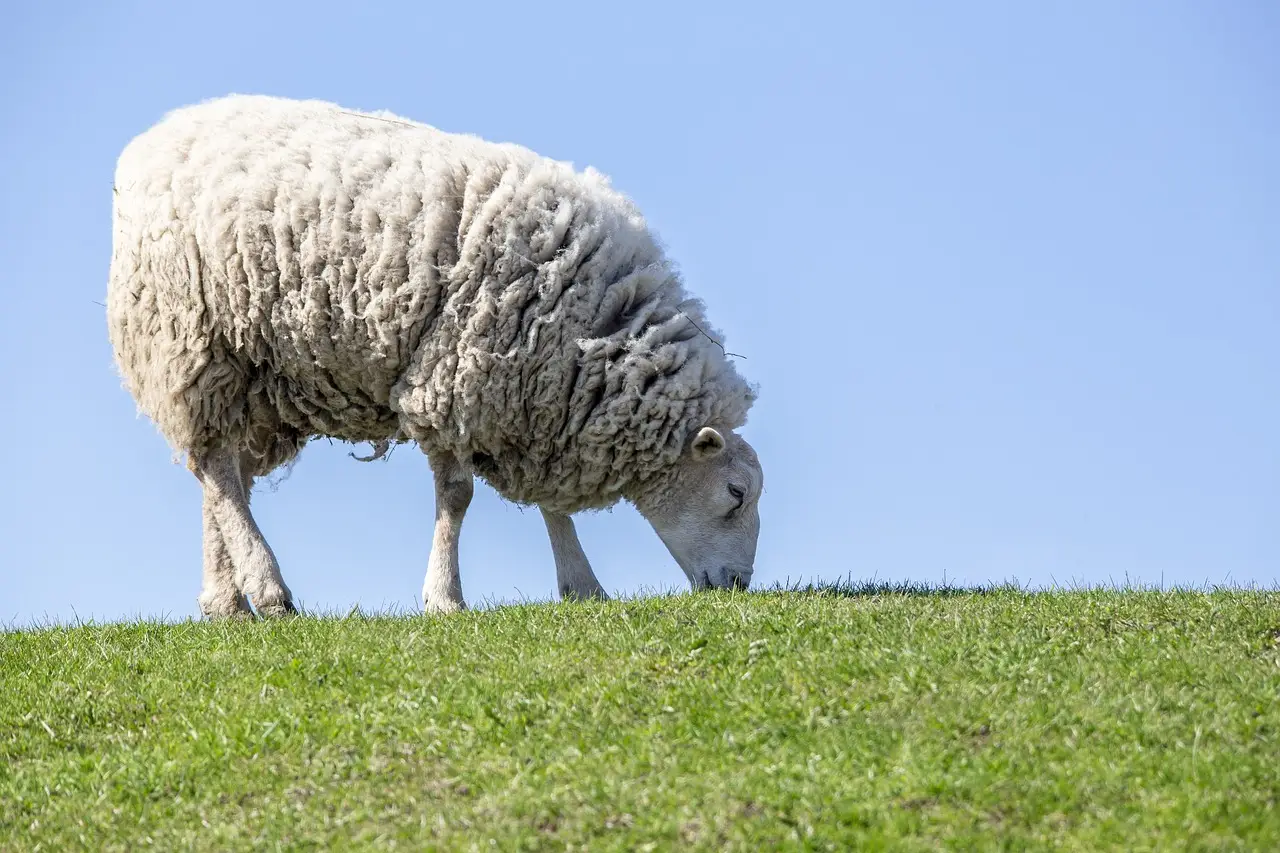
That decision put real sheep behavior at the start of the character pipeline. The team filmed real sheep with multiple cameras and also got onto boxes while gathering reference. Page did not specify how many cameras the production used.
Page outlined five concrete actions from research to performance. The sequence began before animation and connected observation, anatomy, rigging and facial work.
- Capture live reference. The production team filmed real sheep with multiple cameras and got onto boxes to document their movement.
- Write a performance brief. A script-like document listed what the sheep needed to do in the film before an animator touched the characters.
- Model anatomy first. Another artist modeled the skeleton, muscle and fat before animation began.
- Build the movement rig. A rigger (the artist who builds a character’s movement controls) prepared the sheep for animation.
- Handle facial performance. A facial artist (the artist responsible for facial construction and expression) worked within the same reference-led pipeline.
In Page’s account, the sequence links intent to physical execution. The performance brief defines the action, the anatomy model establishes form, and the rig gives animators control over movement. Page placed facial work alongside those tasks, making each sheep a multi-artist build.
“We started to come up with what we would call ‘Sheep-isms’ that help kind of bring some of that natural movement,” Page said. The term described species-specific movement traits, and the clearest example was a small ear twitch.
A human cannot twitch an ear, but Page said the movement felt right because it came from a sheep. He said the gesture emphasized character, story and emotion.
What does this change for VFX teams working with animals?
It moves species research upstream, from late-stage visual polish into the performance brief. Directors and supervisors can document live behavior, define required actions, build anatomy from reference, and coordinate rigging and facial work with the animal’s actual movement.
The ear twitch demonstrates the value of an observable, species-specific action. Once the team can name the trait, directors, animators and reviewers can discuss the same physical cue. That specificity turns a general realism note into a production decision without replacing animal behavior with a human gesture.
For The Sheep Detectives, that process connects the comic premise to physical credibility. The sheep solve a murder, but their first performance task is to remain recognizably sheep.
Page’s roundtable account leaves several production specifications undisclosed. It provided no budget, schedule, camera body, lens, software package, VFX vendor, sheep count, release date, festival strategy or distribution terms. The session offers workflow logic rather than a costed production plan or complete equipment specification.
The transferable sequence is live reference, a written behavioral brief, anatomy, rigging and facial work. The final check is equally specific: the movement must belong to the animal.
via Google News · VFX & Virtual Production (Source)
More from Grace Kim
Show full bio
News editor covering money, funding and market shifts around Filmmaking News is the working trade daily for at Filmmaking News.
178 articles
Further readings
- Graham Page Details the 'Sheep-isms' Behind The Sheep DetectivesNovember 25, 2026
- Aardman Built 11 Beast Puppets and Half a Ship for 'Beast of Mossy Bottom'November 24, 2026
- WETA FX makes Wildwood’s digital ivy visibly handmade, not photorealNovember 27, 2026
- Donated Bones, Hand-Painted Hats and Loaned Sony Kit Power WA Horror-WesternNovember 25, 2026
- Heart of the Beast Runs 700-800 VFX Shots to Fake Alaska in New ZealandNovember 24, 2026